
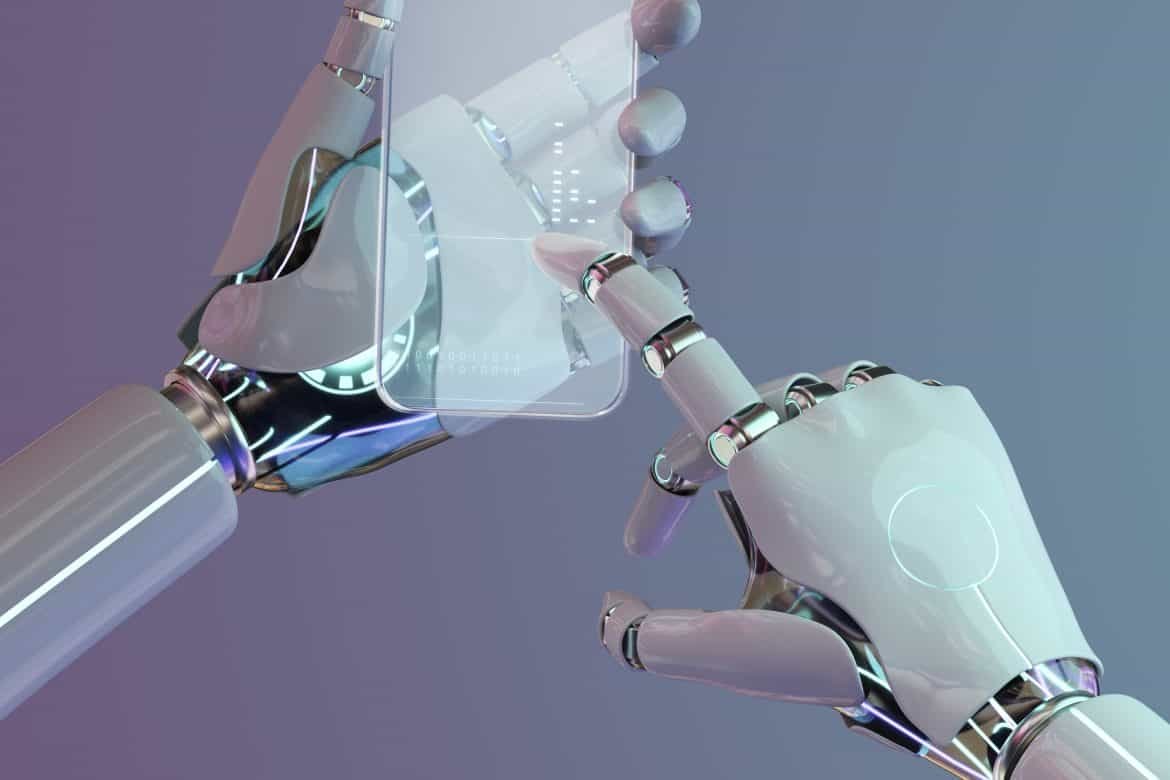
Artificial Intelligence: The Rise of Intelligent Machines
Artificial Intelligence (AI) is rapidly transforming every facet of modern life. From revolutionizing industries to powering next-gen user experiences, AI is reshaping how we live, work, and connect. Especially in digitally progressive regions like Malta, where industries such as web design and mobile app development are booming, understanding the role of AI is critical to staying ahead of the curve.
What is Artificial Intelligence?
Artificial Intelligence is the simulation of human intelligence in machines that are programmed to think and learn. These systems can perform tasks such as voice recognition, decision-making, language translation, and even autonomous driving. AI systems rely on machine learning algorithms and vast datasets to improve over time, without being explicitly programmed for every scenario. In areas like Modern UI/UX design for mobile applications, AI helps in optimizing user experiences based on behavior and interaction patterns.
The History of Artificial Intelligence
The concept of AI has been around for centuries, with early examples dating back to ancient Greece and China. However, it wasn’t until the 20th century that AI began to take shape as a practical and viable technology. In the 1950s and 60s, pioneers such as John McCarthy, Marvin Minsky, and Claude Shannon laid the foundations for modern AI research.
Fast forward to today, AI is embedded in products and services ranging from smart assistants to e-commerce websites in Malta, where intelligent product recommendations are now a standard feature.
The Impact of Artificial Intelligence
The impact of AI is already being felt in a variety of ways. In healthcare, for example, AI is being used to analyze medical images, identify diseases, and develop new treatments. In finance, AI is helping to detect fraud, improve customer service, and make better investment decisions. In transportation, self-driving cars powered by AI are set to revolutionize the way we travel, reducing traffic congestion, improving safety, and cutting emissions.
However, the rise of AI is not without its challenges. Many experts have raised concerns about the potential impact of AI on employment, privacy, and security. There are also ethical and social implications to consider, such as the potential for AI to be used for nefarious purposes or to reinforce existing biases and inequalities.
The Future of Artificial Intelligence
AI’s future is incredibly promising. Innovations such as autonomous drones, smart homes, and AI-driven customer service bots are already emerging. For digital agencies and mobile app developers in Malta, integrating AI is becoming a competitive necessity.
However, the path forward must be paved with ethical guidelines, regulatory frameworks, and continuous innovation. For instance, a branding agency in Malta could use AI not just for market research, but also to create ethical, inclusive brand narratives.
Conclusion
As AI continues to expand its reach, it presents both immense opportunities and serious responsibilities. Businesses—whether they’re in Web design Malta, software development, or branding—must embrace this shift thoughtfully. Done right, AI can drive innovation, improve efficiency, and create more personalized and ethical digital experiences for all.